KLOW
80mg Cartridge
Incl. BTW
Door dit product te bestellen bevestigt u dat u een gekwalificeerde onderzoeker bent en het uitsluitend voor laboratoriumonderzoek zult gebruiken.

KLOW
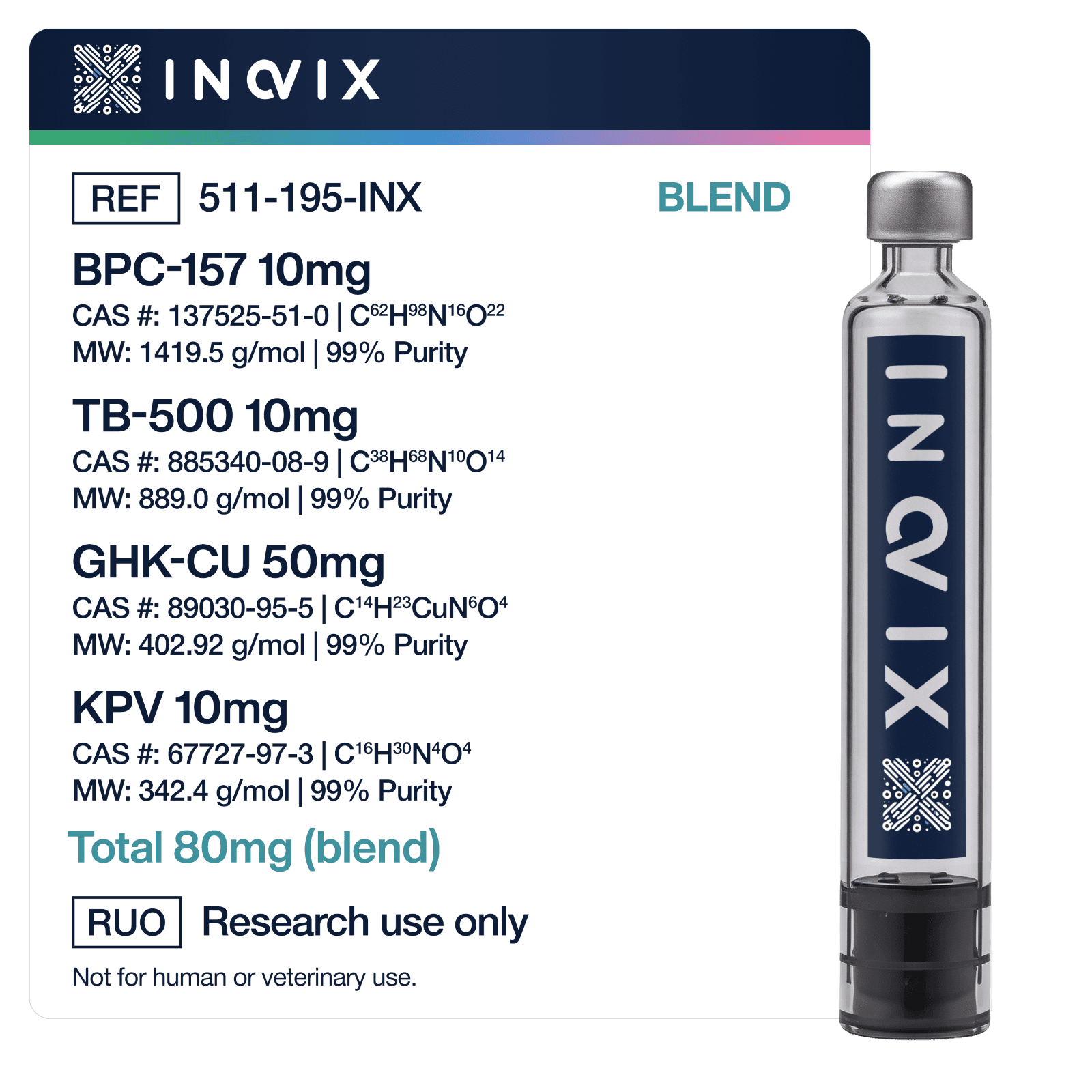
Klow 80mg
| Sequentie | Gly-His-Lys Gly-Glu-Pro-Pro-Pro-Gly-Lys-Pro-Ala-Asp-Asp-Ala-Gly-Leu-Val Ac-Leu-Lys-Lys-Thr-Glu-Thr-Gln Lys-Pro-Val |
| Molecuulformule | C₁₄H₂₂CuN₆O₄, C₆₂H₉₈N₁₆O₂₂, C₃₈H₆₈N₁₀O₁₄, C₁₆H₃₀N₄O₄ |
| Molecuulgewicht | 401.91, 1419.5, 889.01, 342.43 |
| CAS-nummer | 89030-95-5, 137525-51-0, 885340-08-9, 67727-97-3 |
| Fysieke staat | Hergesteld |
| Oplosbaarheid | Water: 50 mg/mL |
| Houdbaarheid | Vervaldatum: Het beste te bewaren voor 28–60 dagen na ontvangst |
| Toepassing | Uitsluitend voor in-vitro onderzoek (RUO) |
KLOW Blend is een multi-peptide onderzoeksblend opgebouwd rond vier complementaire regeneratieve en ontstekingsmodulatiepeptiden: GHK-Cu, BPC-157, TB-500 en KPV. De blend is doorgaans gepositioneerd voor onderzoek naar weefselremodellering, dynamiek van de extracellulaire matrix, collageensignalisering, angiogenese, celmigratie, wondgenezing, ontstekingssignalisering, epitheliale reparatie, huidkwaliteit, haar-/hoofdhuidbiologie en bredere cellulaire regeneratiepaden. [1–40] <br><br> De wetenschappelijke logica achter KLOW Blend is dat elk peptide bijdraagt aan een ander herstelgerelateerd pad. GHK-Cu ondersteunt matrixremodellering, collageenbiologie, angiogenese, antioxidantensignalisering en dermale reparatie. BPC-157 draagt bij aan cytoprotectieve, vasculaire, stikstofoxide-, pees/spier-, gastro-intestinale en wondgenezing onderzoeksignalen. TB-500 vertegenwoordigt het thymosine β4 actieve domeinplatform dat geassocieerd is met actinedynamiek, cellulaire migratie, angiogenese, epitheliale reparatie en weefselremodellering. KPV voegt een sterke ontstekingsremmende en mucosale barrièrecomponent toe via α-MSH-afgeleide signalering, PepT1-gemedieerde opname en NF-κB / MAPK-modulatie. [3–40]
KLOW Blend: Overview
KLOW Blend is best understood as a four-pathway regenerative peptide blend. Its design is not based on one isolated target, but on the interaction of several biological processes that repeatedly appear during tissue repair:
1. Matrix remodeling and collagen organization
GHK-Cu and BPC-157 are strongly associated with fibroblast activity, extracellular matrix regulation, collagen biology, wound closure, and tissue structural recovery.
2. Angiogenesis and vascular support
GHK-Cu, BPC-157, and the thymosin β4 / TB-500 platform all appear in studies involving endothelial function, VEGF-related signaling, blood vessel formation, and vascular recovery.
3. Cell migration and cytoskeletal reorganization
TB-500, as the synthetic active region of thymosin β4, contributes the actin/cell-migration component of the blend. This is highly relevant to wound closure, epithelial movement, endothelial migration, and tissue remodeling.
4. Inflammatory resolution and mucosal barrier regulation
KPV adds a compact anti-inflammatory mechanism linked to α-MSH biology, PepT1-mediated cellular uptake, NF-κB suppression, MAPK modulation, cytokine control, and epithelial barrier preservation.
A common KLOW80 configuration is described as approximately GHK-Cu 50 mg, BPC-157 10 mg, TB-500 10 mg, and KPV 10 mg, though exact ratios can vary by supplier and product specification. [1,2]
KLOW Blend: Structure and Composition
KLOW Blend contains four distinct peptide components. The blend itself does not have a single molecular formula or molecular weight because it is a combined formulation. Each active component should therefore be identified individually.
GHK-Cu
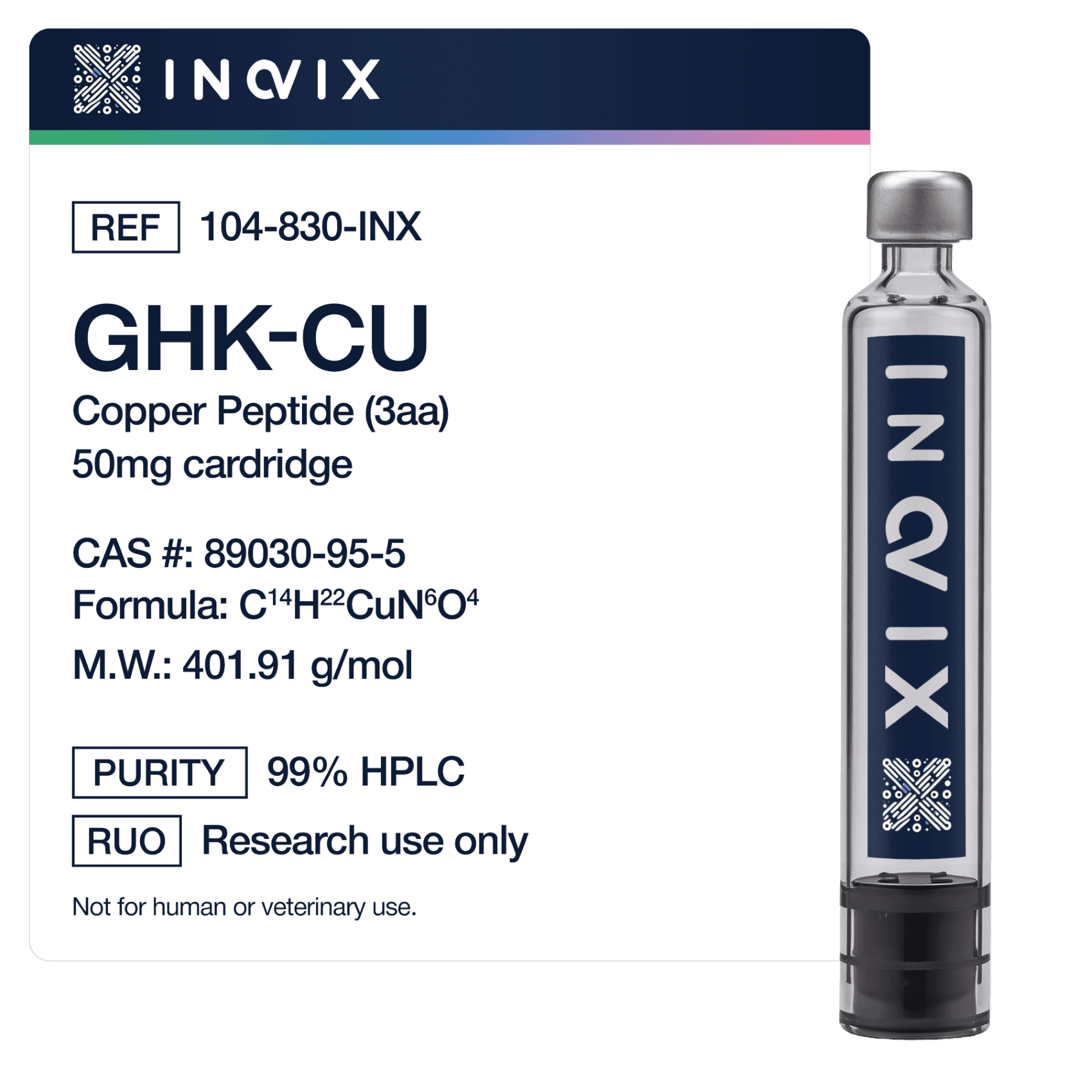
GHK-Cu, also known as copper tripeptide-1 or prezatide copper, is a copper-binding tripeptide complex of glycyl-L-histidyl-L-lysine. It is one of the best-studied copper peptides in skin, wound-healing, hair, and tissue-remodeling research. [3,7–12]
CAS No.: 89030-95-5
Molecular Formula: C14H22CuN6O4
Molecular Weight: 401.91 g/mol
Length: 3 AA
Sequence: Gly-His-Lys
Complex: Cu(II)-GHK
Synonyms: GHK-Cu; Copper Tripeptide-1; Prezatide Copper
Solubility is form-dependent. GHK-Cu is commonly treated as a water-compatible copper peptide, with technical sources often listing strong aqueous solubility for the copper complex or acetate-associated forms. Final solubility should follow the exact salt/complex form and batch COA.
PASTE HERE:
https://pubchem.ncbi.nlm.nih.gov/image/imgsrv.fcgi?cid=71587328&t=lSource: PubChem. Prezatide copper / GHK-Cu compound entry, 2D structure image, CID 71587328.
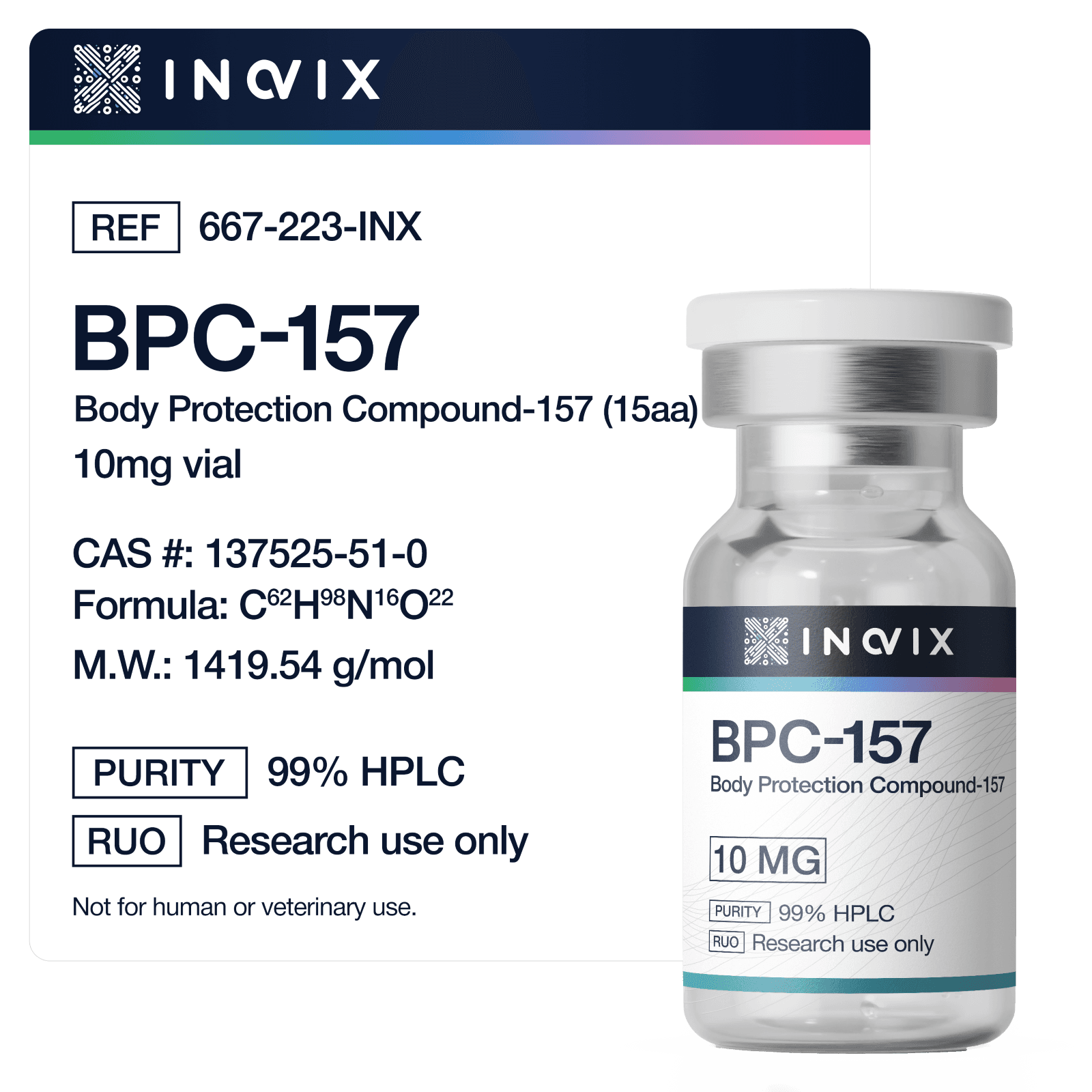
BPC-157
BPC-157 is a stable gastric pentadecapeptide with the sequence Gly-Glu-Pro-Pro-Pro-Gly-Lys-Pro-Ala-Asp-Asp-Ala-Gly-Leu-Val. It is widely studied in wound healing, cytoprotection, vascular signaling, gastrointestinal repair, tendon/ligament research, muscle injury, and nerve-recovery models. [4,13–19]
CAS No.: 137525-51-0
Molecular Formula: C62H98N16O22
Molecular Weight: 1419.54 g/mol
Length: 15 AA
Sequence: Gly-Glu-Pro-Pro-Pro-Gly-Lys-Pro-Ala-Asp-Asp-Ala-Gly-Leu-Val
Sequence Shortening: GEPPPGKPADDAGLV
Synonyms: BPC-157; Body Protection Compound-157; Bepecin; PL 14736
Solubility is form-dependent. Public and supplier sources commonly describe BPC-157 as aqueous-compatible, with water/saline solubility depending on salt form, counterion, pH, and batch conditions.
PASTE HERE:
https://pubchem.ncbi.nlm.nih.gov/image/imgsrv.fcgi?cid=9941957&t=lSource: PubChem. BPC-157 compound entry, 2D structure image, CID 9941957.
TB-500
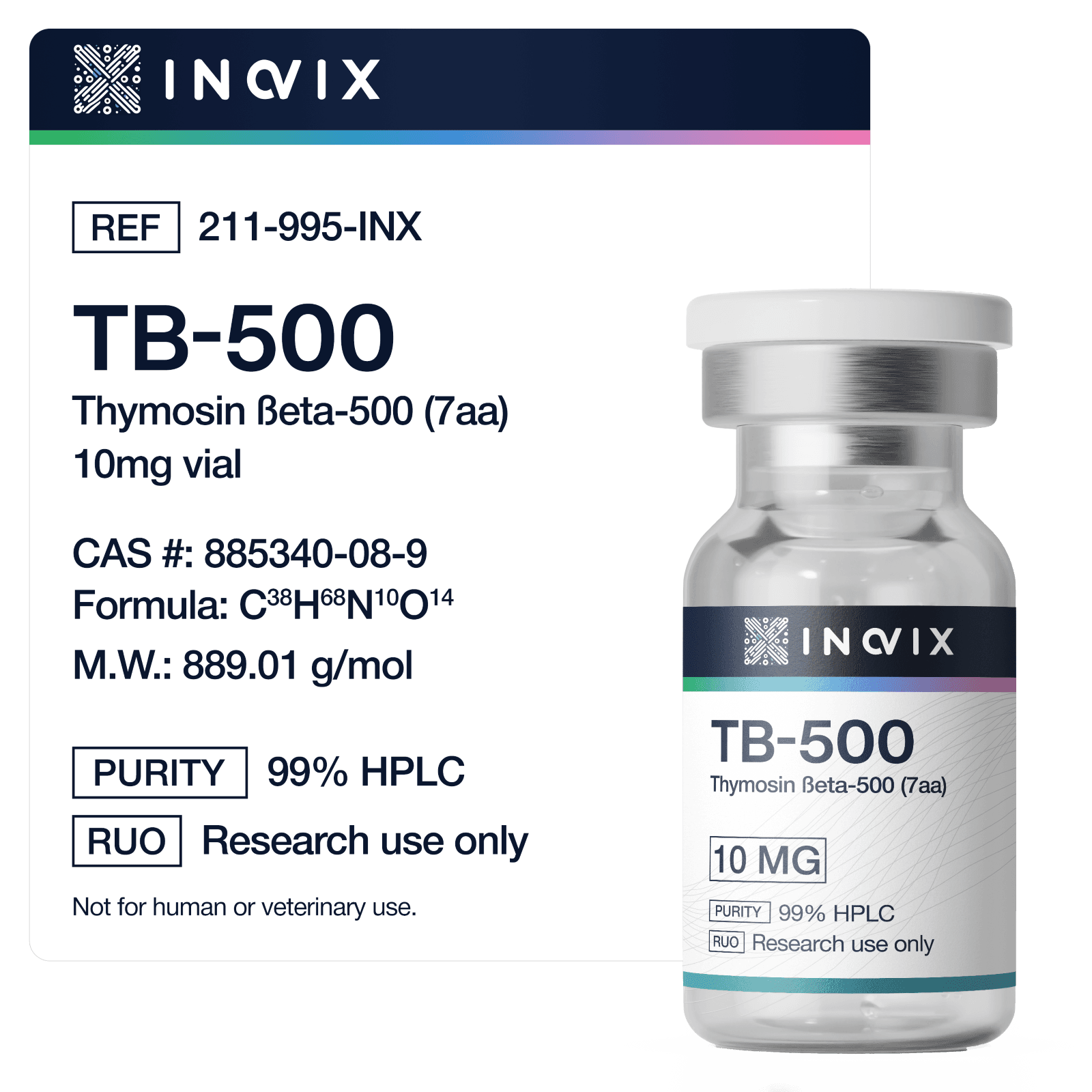
TB-500 is the synthetic N-terminal acetylated heptapeptide fragment associated with the active LKKTETQ region of thymosin β4. It is studied in relation to actin dynamics, cell migration, angiogenesis, dermal repair, corneal repair, cardiac recovery, and tissue-remodeling pathways. [5,20–27]
CAS No.: 885340-08-9
Molecular Formula: C38H68N10O14
Molecular Weight: 889.01 g/mol
Length: 7 AA
Sequence: Ac-Leu-Lys-Lys-Thr-Glu-Thr-Gln
Sequence Shortening: Ac-LKKTETQ
Synonyms: TB-500; Ac-LKKTETQ; N-acetylated thymosin β4 17–23 fragment
Solubility is form-dependent. TB-500 is commonly handled as a lyophilized research peptide, with solubility influenced by acetate/TFA/free-base form, concentration, and reconstitution conditions.
PASTE HERE:
https://pubchem.ncbi.nlm.nih.gov/image/imgsrv.fcgi?cid=62707662&t=lSource: PubChem. TB-500 / UNII-QHK6Z47GTG compound entry, 2D structure image, CID 62707662.
KPV
KPV is a 3-amino-acid tripeptide corresponding to the C-terminal α-MSH(11–13) sequence. It is primarily studied for anti-inflammatory signaling, epithelial protection, intestinal inflammation, mucosal repair, antimicrobial host-defense activity, and neuroinflammatory models. [6,28–40]
CAS No.: 67727-97-3
Molecular Formula: C16H30N4O4
Molecular Weight: 342.43 g/mol
Length: 3 AA
Sequence: Lys-Pro-Val
Sequence Shortening: KPV
Synonyms: KPV; α-MSH(11–13); MSH 11–13; Lys-Pro-Val
Solubility is form-dependent. KPV is a small hydrophilic tripeptide and is generally treated as aqueous-compatible, with exact working solubility depending on salt form and batch COA.
PASTE HERE:
https://pubchem.ncbi.nlm.nih.gov/image/imgsrv.fcgi?cid=125672&t=lSource: PubChem. MSH (11–13) / KPV compound entry, 2D structure image, CID 125672.
KLOW Blend: Mechanistic Architecture
The strength of KLOW Blend is its multi-pathway design. Each component maps to a distinct phase of tissue repair and cellular restoration.
GHK-Cu supports matrix remodeling, collagen signaling, angiogenesis, antioxidant defense, and gene-expression patterns associated with tissue repair.
BPC-157 supports cytoprotective and vascular biology, including nitric-oxide-related pathways, VEGFR2-linked angiogenesis, epithelial repair, musculoskeletal recovery models, and gastrointestinal healing.
TB-500 supports actin-mediated cell migration, angiogenic signaling, wound closure, corneal repair, and matrix remodeling through the thymosin β4 active-domain platform.
KPV supports inflammatory control, epithelial barrier preservation, PepT1-mediated uptake in inflamed tissues, cytokine reduction, and NF-κB / MAPK pathway modulation.
Together, these four components create a research blend that targets repair signaling, matrix architecture, cell movement, vascularization, and inflammatory resolution at the same time.
GHK-Cu: Matrix Remodeling, Collagen, and Dermal Repair
GHK-Cu is a naturally occurring copper-binding tripeptide found in human plasma and other biological fluids. It is strongly associated with tissue remodeling, skin repair, extracellular matrix signaling, and age-related changes in regenerative capacity. Review literature describes GHK-Cu as a peptide that influences gene-expression patterns related to collagen, elastin, proteoglycans, glycosaminoglycans, matrix metalloproteinases, antioxidant defense, and inflammatory regulation. [7,8]
The copper-binding property of GHK-Cu is central to its biology. Copper is involved in multiple enzymatic systems relevant to connective tissue, including lysyl oxidase activity and cross-linking of structural proteins. In dermal research, GHK-Cu has been linked to collagen synthesis, decorin production, fibroblast activity, wound closure, angiogenesis, and protection against oxidative damage. [7–12]
In the KLOW Blend, GHK-Cu functions as the matrix-remodeling and dermal-quality component. It provides the strongest rationale for collagen support, skin elasticity research, ECM renewal, and hair/scalp biology within the blend.
GHK-Cu: Wound Healing, Angiogenesis, and Inflammatory Control
GHK-Cu has been studied in wound-healing and injury models. In scald-wound research, GHK-Cu liposomes promoted HUVEC proliferation, increased cell-cycle progression, enhanced VEGF and bFGF expression, and accelerated wound healing through cell proliferation and angiogenesis. [9]
In acute lung injury research, GHK-Cu reduced ROS production, increased SOD activity, reduced TNF-α and IL-6, and suppressed NF-κB p65 and p38 MAPK signaling. This supports a broader anti-inflammatory and antioxidant profile beyond skin-only applications. [10]
PASTE HERE:
https://oncotarget-cdn.atl1.digitaloceanspaces.com/article/11168/figure/169300/11168-169300-1-PB.jpgSource: Park JR, Lee H, Kim SI, Yang SR. The Tri-Peptide GHK-Cu Complex Ameliorates Lipopolysaccharide-Induced Acute Lung Injury in Mice. Oncotarget. 2016. Figure 5: GHK-Cu effects on oxidative-stress and inflammatory signaling markers.
PASTE HERE:
https://oncotarget-cdn.atl1.digitaloceanspaces.com/article/11168/figure/169301/11168-169301-1-PB.jpgSource: Park JR, Lee H, Kim SI, Yang SR. The Tri-Peptide GHK-Cu Complex Ameliorates Lipopolysaccharide-Induced Acute Lung Injury in Mice. Oncotarget. 2016. Figure 6: GHK-Cu effects on NF-κB and MAPK inflammatory signaling.
Within KLOW Blend, this makes GHK-Cu valuable not only for collagen and skin biology, but also for inflammatory microenvironment control. A regenerative blend benefits from both structural support and reduction of excess inflammatory signaling.
BPC-157: Cytoprotection, Vascular Signaling, and Wound Repair
BPC-157 is a stable gastric pentadecapeptide with one of the broadest preclinical research profiles in the peptide field. It has been studied across skin wounds, burns, gastrointestinal injury, tendon and ligament repair, muscle trauma, nerve injury, vascular occlusion, fistula models, and ischemia-reperfusion settings. [13–19]
The core biological profile of BPC-157 includes cytoprotection, endothelial support, angiogenic signaling, nitric-oxide-system modulation, fibroblast migration, collagen organization, and epithelial healing. Its vascular and wound-healing literature makes it a strong anchor component in KLOW Blend.
BPC-157 also appears in research on VEGFR2 activation, Akt/eNOS signaling, and blood-flow recovery in ischemic models. This makes it especially complementary to GHK-Cu and TB-500, both of which also appear in angiogenesis and tissue-remodeling research. [14]
BPC-157: Skin, Burn, Fistula, and Perforation Models
In the large 2021 wound-healing review, BPC-157 is presented across multiple tissue-repair models including burns, open wounds, fistulas, perforated cecum injury, tendon, muscle, ligament, bone, and nerve injury. The data repeatedly connect BPC-157 with faster repair, improved tissue organization, reduced bleeding, vessel recruitment, and structural recovery. [13]
PASTE HERE:
https://www.frontiersin.org/files/Articles/627533/fphar-12-627533-HTML/image_m/fphar-12-627533-g001.jpgSource: Seiwerth S, Milavic M, Vukojevic J, et al. Stable Gastric Pentadecapeptide BPC 157 and Wound Healing. Frontiers in Pharmacology. 2021. Figure 1: burn skin lesions and BPC-157 therapy effects.
PASTE HERE:
https://www.frontiersin.org/files/Articles/627533/fphar-12-627533-HTML/image_m/fphar-12-627533-g004.jpgSource: Seiwerth S, Milavic M, Vukojevic J, et al. Stable Gastric Pentadecapeptide BPC 157 and Wound Healing. Frontiers in Pharmacology. 2021. Figure 4: external and internal fistula closure models with BPC-157 therapy.
PASTE HERE:
https://www.frontiersin.org/files/Articles/627533/xml-images/fphar-12-627533-g006.webpSource: Seiwerth S, Milavic M, Vukojevic J, et al. Stable Gastric Pentadecapeptide BPC 157 and Wound Healing. Frontiers in Pharmacology. 2021. Figure 6: perforated cecum defect, vessel recruitment, reduced bleeding, and defect healing.
The relevance to KLOW Blend is direct. BPC-157 provides a broad cytoprotective and structural-repair signal, while GHK-Cu supports ECM remodeling, TB-500 supports cell migration, and KPV supports inflammatory control.
BPC-157: Vascular Rescue and Muscle Injury Models
BPC-157 has also been studied in vascular occlusion and muscle injury settings. In venous occlusion models, BPC-157 was associated with collateral-vessel recruitment and restoration of blood flow. In muscle-crush injury models, it was associated with improved structural and functional recovery patterns. [13]
PASTE HERE:
https://www.frontiersin.org/files/Articles/627533/fphar-12-627533-HTML/image_m/fphar-12-627533-g007.jpgSource: Seiwerth S, Milavic M, Vukojevic J, et al. Stable Gastric Pentadecapeptide BPC 157 and Wound Healing. Frontiers in Pharmacology. 2021. Figure 7: venous occlusion, collateral recruitment, and blood-flow restoration with BPC-157 therapy.
PASTE HERE:
https://www.frontiersin.org/files/Articles/627533/fphar-12-627533-HTML/image_m/fphar-12-627533-g010.jpgSource: Seiwerth S, Milavic M, Vukojevic J, et al. Stable Gastric Pentadecapeptide BPC 157 and Wound Healing. Frontiers in Pharmacology. 2021. Figure 10: muscle-crush injury and BPC-157 therapy effects.
These models support the inclusion of BPC-157 in a regenerative blend designed around tissue dynamics, musculoskeletal repair, and vascular support.
TB-500: Actin Dynamics, Cell Migration, and Tissue Remodeling
TB-500 is the synthetic active-region peptide associated with thymosin β4’s LKKTETQ motif. The thymosin β4 platform is one of the most studied peptide systems for actin regulation, cell migration, angiogenesis, wound repair, corneal repair, cardiac injury, and hair follicle biology. [20–27]
Thymosin β4 is a major actin-sequestering peptide. Its biological profile is closely connected to G-actin binding, cytoskeletal organization, endothelial-cell movement, keratinocyte migration, wound closure, angiogenesis, and anti-inflammatory repair signaling. [20–24]
The active-site literature is particularly relevant to TB-500. Short peptide sequences from thymosin β4 preserve distinct biological activities, and the LKKTETQ region is associated with angiogenesis, wound healing, and cell migration. [21]
In KLOW Blend, TB-500 provides the cell-migration and cytoskeletal remodeling component. This complements GHK-Cu’s ECM role, BPC-157’s cytoprotective/vascular role, and KPV’s inflammatory-control role.
TB-500 / Thymosin β4: Regenerative Signaling Pathways
The broader thymosin β4 literature connects the platform to PI3K/Akt/eNOS signaling, Notch signaling, Wnt-related effects, TGF-β pathway modulation, anti-fibrotic activity, and inflammatory control. [24]
PASTE HERE:
https://www.frontiersin.org/files/Articles/767785/xml-images/fendo-12-767785-g001.webpSource: Xing Y, Ye S, Zuo H, Li Y. Progress on the Function and Application of Thymosin β4. Frontiers in Endocrinology. 2021. Figure 1: signaling pathways regulated by thymosin β4.
This figure is useful for KLOW Blend because it shows how the TB-500/thymosin β4 platform fits into broader repair biology, including cell migration, vascular signaling, inflammation, fibrosis regulation, and tissue-protective pathways.
TB-500 / Thymosin β4: Wound, Corneal, Cardiac, and Hair Research
Thymosin β4 has been reported to accelerate wound healing in full-thickness wound models, promote angiogenesis, support hair follicle development, and improve corneal epithelial repair. It also has cardiac-repair literature in ischemic injury models, where systemic thymosin β4 reduced infarct size and preserved functional parameters. [20,22–27]
PASTE HERE:
https://www.frontiersin.org/files/Articles/64766/xml-images/fphar-04-00149-g0001.webpSource: Bao W, Ballard VL, Needle S, et al. Cardioprotection by Systemic Dosing of Thymosin Beta Four Following Ischemic Myocardial Injury. Frontiers in Pharmacology. 2013. Figure 1: infarct volume, transmural infarct incidence, and ejection fraction after thymosin β4 treatment.
PASTE HERE:
https://www.frontiersin.org/files/Articles/64766/xml-images/fphar-04-00149-g0006.webpSource: Bao W, Ballard VL, Needle S, et al. Cardioprotection by Systemic Dosing of Thymosin Beta Four Following Ischemic Myocardial Injury. Frontiers in Pharmacology. 2013. Figure 6: infarct size and hemodynamic measurements after ischemia-reperfusion with thymosin β4 treatment.
Within KLOW Blend, TB-500 is best positioned as the migration, actin, and tissue-reorganization peptide. It is especially complementary when paired with GHK-Cu and BPC-157, because matrix remodeling and vascular signaling require coordinated cellular movement.
KPV: Anti-Inflammatory Tripeptide Signaling
KPV is the C-terminal tripeptide of α-MSH and is one of the smallest anti-inflammatory peptide motifs in the melanocortin-derived peptide family. It is studied in intestinal inflammation, epithelial-barrier repair, cytokine suppression, antimicrobial host defense, corneal wound healing, oral mucositis, keratinocyte inflammation, and traumatic brain injury models. [28–40]
The major mechanistic theme is suppression of inflammatory signaling. KPV has been linked to reduced NF-κB activity, modulation of MAPK signaling, lower TNF-α, IL-1β, IL-6, IL-2, NO, ROS, MPO, macrophage infiltration, and T-cell infiltration in experimental models. [28–35]
A key feature of KPV is its relationship with PepT1, a peptide transporter that can mediate uptake of di- and tripeptides. In inflamed intestinal epithelial tissue, PepT1 expression can be increased, creating a mechanistic rationale for KPV’s effects in colitis and epithelial inflammation models. [28,31,32]
KPV: Intestinal Inflammation and Barrier Preservation
KPV has significant literature in inflammatory bowel disease models. PepT1-mediated KPV uptake reduces intestinal inflammation, and oral administration of KPV reduced DSS- and TNBS-induced colitis severity in preclinical models. KPV also showed anti-inflammatory effects in murine colitis models, including DSS colitis and transfer colitis. [28,29]
More recent research has advanced KPV into targeted nanodrug systems, where KPV-based formulations improved acute and chronic DSS colitis outcomes, preserved intestinal tight-junction proteins, and reduced inflammatory cytokines and immune-cell infiltration. [31,32]
PASTE HERE:
https://www.frontiersin.org/files/Articles/1442876/xml-images/fphar-15-1442876-g003.webpSource: Zhang D, Jiang L, Yu F, et al. PepT1-targeted nanodrug based on co-assembly of anti-inflammatory peptide and immunosuppressant for combined treatment of acute and chronic DSS-induced colitis. Frontiers in Pharmacology. 2024. Figure 3: acute DSS colitis efficacy, including disease activity, body weight, colon length, histology, and survival.
PASTE HERE:
https://www.frontiersin.org/files/Articles/1442876/xml-images/fphar-15-1442876-g004.webpSource: Zhang D, Jiang L, Yu F, et al. PepT1-targeted nanodrug based on co-assembly of anti-inflammatory peptide and immunosuppressant for combined treatment of acute and chronic DSS-induced colitis. Frontiers in Pharmacology. 2024. Figure 4: preservation of intestinal barrier proteins after KPV-based treatment.
PASTE HERE:
https://www.frontiersin.org/files/Articles/1442876/xml-images/fphar-15-1442876-g005.webpSource: Zhang D, Jiang L, Yu F, et al. PepT1-targeted nanodrug based on co-assembly of anti-inflammatory peptide and immunosuppressant for combined treatment of acute and chronic DSS-induced colitis. Frontiers in Pharmacology. 2024. Figure 5: reductions in colonic and serum inflammatory cytokines after KPV-based treatment.
PASTE HERE:
https://www.frontiersin.org/files/Articles/1442876/xml-images/fphar-15-1442876-g006.webpSource: Zhang D, Jiang L, Yu F, et al. PepT1-targeted nanodrug based on co-assembly of anti-inflammatory peptide and immunosuppressant for combined treatment of acute and chronic DSS-induced colitis. Frontiers in Pharmacology. 2024. Figure 6: reduced immune-cell infiltration, MPO, NO, and ROS in colon tissue after KPV-based treatment.
Within KLOW Blend, KPV is the principal inflammatory-resolution and epithelial-barrier peptide. It balances the regenerative components by helping control the inflammatory environment that can otherwise impair tissue repair.
KLOW Blend: Wound Healing and Tissue-Repair Logic
Wound healing requires a coordinated sequence of events: inflammatory control, epithelial migration, angiogenesis, fibroblast activation, extracellular matrix deposition, collagen remodeling, and restoration of tissue structure. KLOW Blend maps well onto this biological sequence.
KPV supports the early inflammatory-resolution phase by suppressing NF-κB / MAPK-driven cytokine signaling and protecting epithelial barriers.
TB-500 supports migration and actin dynamics, helping cells move into the wound field.
GHK-Cu supports fibroblast behavior, collagen and ECM remodeling, antioxidant defense, and angiogenic signaling.
BPC-157 supports cytoprotection, vascular recovery, NO-pathway modulation, epithelial repair, and soft-tissue recovery.
This makes the blend particularly strong as a research platform for multi-stage wound-healing biology. Instead of targeting only inflammation, only collagen, or only cell migration, KLOW integrates all three phases: calm → move → rebuild.
KLOW Blend: Extracellular Matrix and Collagen Research
Extracellular matrix quality is central to durable tissue repair. GHK-Cu is strongly associated with collagen, decorin, glycosaminoglycans, proteoglycans, and matrix metalloproteinases. BPC-157 appears repeatedly in tissue-healing models where collagen organization and structural repair are central endpoints. TB-500 contributes cell migration and cytoskeletal organization needed for tissue remodeling, while KPV reduces inflammatory signals that can degrade matrix quality. [7–24,28–40]
A blend combining these peptides is therefore well-suited for studying ECM turnover, collagen architecture, fibroblast activity, wound closure, scar biology, and matrix remodeling under inflammatory stress.
KLOW Blend: Angiogenesis and Microvascular Research
Repairing tissue requires vascular support. BPC-157 is linked to VEGFR2-Akt-eNOS signaling and vascular recovery, GHK-Cu has been shown to promote angiogenesis and endothelial proliferation in wound models, and thymosin β4/TB-500 biology includes angiogenesis and endothelial migration. [9,10,14,20–24]
The vascular side of KLOW Blend is important because improved matrix repair without adequate blood supply is incomplete. Angiogenesis provides oxygen, nutrients, immune-cell trafficking, and metabolic support for healing tissue. In research design, this gives KLOW Blend a strong position in microvascular repair, endothelial signaling, ischemic tissue recovery, and angiogenesis-linked regeneration.
KLOW Blend: Inflammation and Immune-Modulation Research
Inflammation is necessary for repair, but prolonged or excessive inflammation can impair healing, disrupt collagen organization, and damage epithelial barriers. KLOW Blend contains multiple anti-inflammatory or inflammation-modulating signals:
KPV suppresses NF-κB/MAPK-linked inflammatory signaling and reduces cytokines in colitis models.
GHK-Cu reduces oxidative and inflammatory signaling in injury models and is linked to antioxidant gene expression.
BPC-157 appears in multiple models of tissue injury where inflammation and vascular dysfunction are central.
TB-500 / thymosin β4 has anti-inflammatory and pro-resolution literature in corneal, dermal, cardiac, and tissue-injury contexts.
This makes the blend relevant to research on controlled inflammatory resolution, cytokine balance, barrier inflammation, ROS control, and repair under inflammatory stress.
KLOW Blend: Skin Quality, Dermal Repair, and Aesthetic Research
KLOW Blend is particularly well-aligned with dermal and aesthetic research because its components map onto the biological elements that determine skin quality:
GHK-Cu supports collagen, elastin, glycosaminoglycans, proteoglycans, and antioxidant defense.
BPC-157 supports wound repair, epithelial healing, angiogenesis, and vascular signaling.
TB-500 supports keratinocyte/endothelial migration, actin remodeling, and wound closure.
KPV supports inflammation control, epithelial barrier preservation, and anti-inflammatory signaling.
This gives KLOW Blend a strong research profile in skin remodeling, dermal matrix support, post-injury recovery, redox balance, barrier resilience, and inflammatory skin-environment modulation.
KLOW Blend: Hair and Scalp Research
KLOW Blend also has a strong rationale in hair and scalp research. Hair follicle cycling depends on a healthy dermal environment, microvascular support, inflammatory control, matrix integrity, and stem-cell niche signaling.
GHK-Cu is one of the most relevant components for hair/scalp biology. Reviews describe GHK-Cu as influencing hair growth and thickness, hair follicle size, skin remodeling, wound healing, and anti-inflammatory/antioxidant gene programs. [7,8]
TB-500 / thymosin β4 has direct hair follicle literature, including reports that thymosin β4 promotes hair follicle development and increases hair growth by activating hair follicle stem-cell migration. [20,25,26]
KPV contributes inflammatory control, which is relevant to scalp environments where chronic low-grade inflammation may impair follicle function.
BPC-157 contributes vascular/cytoprotective and tissue-repair mechanisms that may support the broader follicular microenvironment in experimental systems.
Together, these pathways make KLOW Blend a logical research blend for scalp tissue quality, hair follicle microenvironment, angiogenesis, inflammatory balance, matrix support, and follicle-regeneration models.
KLOW Blend: Gastrointestinal and Mucosal Barrier Research
KLOW Blend also has a strong mucosal-repair logic through BPC-157 and KPV.
BPC-157 is heavily associated with gastric and intestinal cytoprotection, colitis, fistula closure, perforation repair, and intestinal epithelial recovery. KPV is strongly linked to intestinal inflammation, PepT1-mediated uptake, mucosal barrier preservation, and reduction of inflammatory cytokine signals. [13,18,28–32]
This creates a blend profile relevant to epithelial repair, mucosal barrier integrity, intestinal inflammatory signaling, cytokine suppression, and healing under barrier stress.
The combination of BPC-157 and KPV is particularly coherent: BPC-157 contributes cytoprotective repair biology, while KPV contributes targeted inflammatory suppression and barrier preservation.
KLOW Blend: Musculoskeletal and Soft-Tissue Research
BPC-157 and TB-500 are the main musculoskeletal components of KLOW Blend.
BPC-157 appears in models of tendon healing, ligament healing, muscle injury, muscle crush, denervation, myotendinous junction injury, and nerve recovery. TB-500/thymosin β4 contributes cell migration, actin organization, angiogenesis, and tissue repair. [13,19–24]
GHK-Cu adds ECM and collagen-remodeling biology, while KPV supports inflammatory control. This makes KLOW Blend relevant to soft-tissue repair models, tendon/ligament remodeling, muscle injury, fibroblast signaling, angiogenesis, and inflammatory tissue recovery.
KLOW Blend: Neural and Neuroinflammatory Research
Several components also have literature in neural, neuroinflammatory, or neurorepair contexts.
BPC-157 has been studied in nerve injury, spinal cord injury, traumatic brain injury, and central nervous system models. GHK-Cu has newer preclinical evidence in cognitive-aging and Alzheimer-like pathology models, including intranasal GHK-Cu work in 5xFAD mice. KPV has neuroinflammatory TBI research showing reduced inflammation and apoptosis after experimental traumatic brain injury. Thymosin β4 has literature in stroke, traumatic brain injury, multiple sclerosis models, and neurovascular repair. [19,24,27,33,34]
This gives KLOW Blend a broader research profile in neuroinflammation, nerve repair, neurovascular signaling, oxidative stress, and inflammatory damage models. The neural literature is not the main commercial identity of KLOW Blend, but it is scientifically relevant because all four components intersect with tissue protection and inflammatory control.
KLOW Blend: Component Synergy
The component synergy can be summarized as follows:
GHK-Cu + BPC-157
Strong matrix + cytoprotective pairing. GHK-Cu contributes ECM/collagen and redox regulation; BPC-157 contributes vascular recovery, epithelial healing, and broad tissue-protective signaling.
GHK-Cu + TB-500
Strong dermal repair pairing. GHK-Cu supports matrix remodeling; TB-500 supports actin dynamics and cell migration.
BPC-157 + TB-500
Strong soft-tissue and migration pairing. BPC-157 contributes vascular/cytoprotective repair; TB-500 contributes migration and cytoskeletal organization.
BPC-157 + KPV
Strong mucosal and inflammatory pairing. BPC-157 supports gastrointestinal and epithelial repair; KPV supports inflammatory suppression and barrier protection.
GHK-Cu + KPV
Strong skin/scalp inflammation pairing. GHK-Cu supports collagen and dermal remodeling; KPV supports anti-inflammatory and barrier-focused biology.
Full KLOW Blend
A complete repair-environment model combining matrix repair, angiogenesis, cell migration, epithelial support, and inflammatory resolution.
KLOW Blend: Research Positioning
KLOW Blend is best positioned as a multi-peptide regeneration and inflammatory-modulation research blend.
Core research areas include:
Skin remodeling
Collagen, ECM, fibroblast activity, antioxidant signaling, dermal architecture.
Wound healing
Burns, epithelial closure, angiogenesis, collagen deposition, vascular recruitment.
Inflammation control
NF-κB, MAPK, cytokines, ROS, immune-cell infiltration, inflammatory barrier stress.
Hair and scalp biology
Follicle environment, dermal papilla support, microvascular signaling, scalp inflammation, hair follicle stem-cell migration.
Mucosal and gastrointestinal repair
PepT1-mediated KPV uptake, BPC-157 cytoprotection, epithelial integrity, colitis models.
Soft-tissue repair
Tendon, ligament, muscle, myotendinous, and connective-tissue models.
Angiogenesis and vascular signaling
VEGF, VEGFR2, endothelial migration, blood-flow recovery, collateral recruitment.
Cell migration and cytoskeleton
Thymosin β4/TB-500 active-domain biology and actin-dependent tissue repair.
KLOW Blend: Quality, Handling, and Formulation Notes
KLOW Blend is typically supplied as a lyophilized peptide blend. For research-product presentation, the most important quality parameters are:
Identity confirmation
Each component should be identifiable by LC-MS or equivalent analytical confirmation.
Purity
HPLC purity should be batch-specific and reported on the COA.
Blend ratio
The exact component ratio should be clearly stated, especially when using a common KLOW80-style format.
Copper complex integrity
GHK-Cu should be specified as the copper complex, not merely free GHK.
Salt forms
BPC-157, TB-500, and KPV may appear as acetate, TFA, free base, or other salt forms depending on manufacturing. The COA should define the actual material.
Storage
Lyophilized peptide blends are typically stored cold, dry, and protected from light. After reconstitution, exposure to room temperature and repeated freeze-thaw cycles should be minimized.
KLOW Blend: Summary
KLOW Blend is a four-component peptide research blend combining GHK-Cu, BPC-157, TB-500, and KPV. Its scientific strength is the way these four peptides cover different but overlapping repair pathways:
GHK-Cu supports collagen, matrix remodeling, angiogenesis, antioxidant signaling, skin quality, and hair/scalp biology.
BPC-157 supports cytoprotection, vascular signaling, gastrointestinal repair, tendon/muscle models, epithelial healing, and NO/VEGF-linked repair biology.
TB-500 supports actin-mediated cell migration, angiogenesis, wound healing, corneal repair, cardiac repair, and tissue remodeling through the thymosin β4 active-domain platform.
KPV supports inflammatory control, epithelial barrier protection, PepT1-mediated uptake, cytokine reduction, and mucosal repair.
Together, the blend forms a regenerative, matrix-supportive, angiogenic, migration-supportive, and anti-inflammatory peptide system for advanced research into skin, hair, wound healing, soft tissue, mucosal repair, and inflammatory tissue environments. [1–40]
Selected References
CleanPeptides. KLOW PEN 80 mg (BPC-157 + TB-500 + GHK-Cu + KPV). Product composition and KLOW80 blend description.
Peptide Regenesis. KLOW Blend 80mg – Blend di Peptidi per Ricerca. Component mechanism overview and research positioning.
PubChem. Prezatide copper / GHK-Cu compound entry, CID 71587328.
PubChem. BPC-157 compound entry, CID 9941957.
PubChem. TB-500 / UNII-QHK6Z47GTG compound entry, CID 62707662.
PubChem. MSH (11–13) / KPV compound entry, CID 125672.
Pickart L, Margolina A. Regenerative and Protective Actions of the GHK-Cu Peptide in the Light of the New Gene Data. International Journal of Molecular Sciences. 2018.
Pickart L, Vasquez-Soltero JM, Margolina A. GHK Peptide as a Natural Modulator of Multiple Cellular Pathways in Skin Regeneration. BioMed Research International. 2015.
Wang X, Liu B, Xu Q, et al. GHK-Cu-liposomes accelerate scald wound healing in mice by promoting cell proliferation and angiogenesis. Wound Repair and Regeneration. 2017.
Park JR, Lee H, Kim SI, Yang SR. The tri-peptide GHK-Cu complex ameliorates lipopolysaccharide-induced acute lung injury in mice. Oncotarget. 2016.
Tucker M, et al. Behavioral and neuropathological features of Alzheimer’s disease are attenuated in 5xFAD mice treated with intranasal GHK-Cu. 2024.
Dou Y, et al. The potential of GHK as an anti-aging peptide. 2020.
Seiwerth S, Milavic M, Vukojevic J, et al. Stable Gastric Pentadecapeptide BPC 157 and Wound Healing. Frontiers in Pharmacology. 2021.
Hsieh MJ, Liu HT, Wang CN, et al. Therapeutic potential of pro-angiogenic BPC157 is associated with VEGFR2 activation and up-regulation. Journal of Molecular Medicine. 2017.
He L, Feng D, Guo H, et al. Pharmacokinetics, distribution, metabolism, and excretion of body-protective compound 157 in rats and dogs. Frontiers in Pharmacology. 2022.
Vukojević J, et al. Pentadecapeptide BPC 157 and the central nervous system. Neural Regeneration Research. 2021.
Józwiak M, et al. Multifunctionality and Possible Medical Application of the BPC 157 Peptide—Literature and Patent Review. Pharmaceuticals. 2025.Sikiric P, et al. BPC 157 Therapy: Targeting Angiogenesis and Nitric Oxide’s. 2025.
Yuan C, et al. The Role of BPC-157 in Tissue Repair and Pain. International Journal of Molecular Sciences. 2026.
Philp D, Goldstein AL, Kleinman HK. Thymosin beta4 promotes angiogenesis, wound healing, and hair follicle development. Mechanisms of Ageing and Development. 2004.
Sosne G, Qiu P, Goldstein AL, Wheater M. Biological activities of thymosin beta4 defined by active sites in short peptide sequences. FASEB Journal. 2010.
Sosne G, Qiu P, Kurpakus-Wheater M. Thymosin beta 4: A novel corneal wound healing and anti-inflammatory agent. Clinical Ophthalmology. 2007.
Bao W, Ballard VL, Needle S, et al. Cardioprotection by systemic dosing of thymosin beta four following ischemic myocardial injury. Frontiers in Pharmacology. 2013.
Xing Y, Ye S, Zuo H, Li Y. Progress on the Function and Application of Thymosin β4. Frontiers in Endocrinology. 2021.
Philp D, et al. Thymosin beta4 increases hair growth by activation of hair follicle stem cells. FASEB Journal. 2004.
Philp D, et al. Thymosin beta4 induces hair growth via stem cell migration and differentiation. Annals of the New York Academy of Sciences. 2007.
Malinda KM, et al. Thymosin beta4 accelerates wound healing. Journal of Investigative Dermatology. 1999.
Dalmasso G, Charrier-Hisamuddin L, Nguyen HTT, et al. PepT1-mediated tripeptide KPV uptake reduces intestinal inflammation. Gastroenterology. 2008.
Kannengiesser K, Maaser C, Heidemann J, et al. Melanocortin-derived tripeptide KPV has anti-inflammatory potential in murine models of inflammatory bowel disease. Inflammatory Bowel Diseases. 2008.
Viennois E, et al. Critical Role of PepT1 in Promoting Colitis-Associated Cancer and Therapeutic Benefits of KPV in a Murine Model. 2016.
Zhang D, Jiang L, Yu F, et al. PepT1-targeted nanodrug based on co-assembly of anti-inflammatory peptide and immunosuppressant for combined treatment of acute and chronic DSS-induced colitis. Frontiers in Pharmacology. 2024.
Xiao B, Xu Z, Viennois E, et al. Orally targeted delivery of tripeptide KPV via hyaluronic acid-functionalized nanoparticles efficiently alleviates ulcerative colitis. Molecular Therapy. 2017.
Schaible EV, Steinsträßer A, Jahn-Eimermacher A, et al. Single Administration of Tripeptide α-MSH(11–13) Attenuates Brain Damage by Reduced Inflammation and Apoptosis after Experimental Traumatic Brain Injury in Mice. PLOS ONE. 2013.
Cutuli M, Cristiani S, Lipton JM, Catania A. Antimicrobial Effects of α-MSH Peptides. Journal of Leukocyte Biology. 2000.
Bonfiglio V, Platania CBM, Bucolo C, et al. Effects of the COOH-terminal tripeptide α-MSH(11–13) on corneal epithelial wound healing: role of nitric oxide. Experimental Eye Research. 2006.
Cheng J, Wu P, Li C, et al. Inflammation-triggered self-immolative conjugates enable oral peptide delivery by overcoming gastrointestinal barriers. Science Advances. 2026.
Brzoska T, Luger TA, Maaser C, et al. Alpha-Melanocyte-Stimulating Hormone and Related Tripeptides: Biochemistry, Antiinflammatory and Protective Effects in Vitro and in Vivo, and Future Perspectives. Endocrine Reviews. 2008.
Getting SJ, et al. Dissection of the anti-inflammatory effect of the core and C-terminal tripeptide of α-MSH. 2003.
Dymek M, et al. Liposomes as Carriers of GHK-Cu Tripeptide for Cosmetic Applications. Pharmaceutics. 2023.
Adnan SB, et al. Exploring the Role of Tripeptides in Wound Healing and Regenerative Processes. 2025.
2°C tot 8°C
Bewaartemperatuur
Vervaldatum: Het beste te bewaren voor 28–60 dagen na ontvangst
Houdbaarheid
Water: 50 mg/mL
Oplosbaarheid
Bewaar de herstelde cartridge gekoeld bij 2–8°C, beschermd tegen licht, warmte en overmatige temperatuurfluctuaties. Houd de cartridge gesloten/deksel op wanneer deze niet in laboratoriumhandelingen wordt gebruikt. Niet invriezen. Vermijd schudden, laten vallen of krachtige agitatie, aangezien dit kan leiden tot schuimvorming, aggregatie of verlies van peptide-stabiliteit. Houd de blootstelling aan lucht en kamertemperatuur zo kort mogelijk tijdens het hanteren. <br><br> Inspecteer de oplossing voor elk laboratoriumgebruik. De oplossing moet helder blijven en vrij zijn van zichtbare deeltjes. Gebruik niet voor onderzoeksdoeleinden als de oplossing verkleurd, troebel is, deeltjes bevat of tekenen van lekkage of besmetting vertoont. Handhaaf een schone hanteringsmethode en vermijd contact tussen de cartridge-uitgang en niet-steriele oppervlakken.
Voor uw onderzoek
Kennisbank: KLOW
Eigenschappen, analyse, reconstitutie en veelgestelde vragen over KLOW op één referentiepagina.
Lees meerKwaliteit en analyse
Hoe elke batch wordt getest: HPLC-zuiverheid, LC-MS-identiteit en onafhankelijke verificatie.
Lees meerReconstitutiecalculator
Bereken de concentratie van uw stamoplossing in mg/mL.
Lees meerOplosbaarheid en opslag
Oplosmiddelen, opslagtemperaturen en houdbaarheid van alle verbindingen in één tabel.
Lees meerVerzonden vanuit Nederland
DHL Parcel vanuit Nederland
Elke bestelling wordt vanuit Nederland verzonden met DHL Parcel, met track & trace tot aflevering. Levering in Nederland: 1 tot 2 werkdagen.
Geen douane binnen de EU
Uw pakket blijft binnen de EU-binnenmarkt. Voor EU-bestemmingen is er geen douanecontrole, geen invoer-BTW en geen inklaringskosten bij aflevering.
Prijzen in euro, incl. BTW
Alle prijzen zijn in euro en inclusief BTW. Binnen de EU komen er achteraf geen invoerkosten of extra heffingen bij.
Verzendkosten per land
- Nederland€ 6,95gratis vanaf € 75,00
- België€ 10,95gratis vanaf € 75,00
- Duitsland€ 13,95gratis vanaf € 75,00
- Frankrijk€ 15,95gratis vanaf € 250,00
- Verenigd Koninkrijk€ 18,95gratis vanaf € 250,00
- Italië€ 20,95gratis vanaf € 250,00
- Spanje€ 22,95gratis vanaf € 250,00
- Denemarken€ 28,95gratis vanaf € 250,00
- Zweden€ 29,95gratis vanaf € 250,00
Dezelfde DHL-tarieven die u bij het afrekenen ziet.
Veelgestelde vragen
Wat is KLOW?+
80mg Cartridge. KLOW is uitsluitend bestemd voor in-vitro laboratoriumonderzoek (research use only) en is niet bedoeld voor menselijke of veterinaire toepassing.
Kan ik KLOW kopen voor onderzoek?+
Ja, KLOW is online te bestellen voor laboratoriumonderzoek. Bestellen is voorbehouden aan gekwalificeerde onderzoekers: bij het plaatsen van een bestelling bevestigt u dat het product uitsluitend voor onderzoeksdoeleinden wordt gebruikt. Inovix levert binnen Europa.
Hoe reconstitueer ik KLOW?+
Reconstitueer KLOW volgens de oplosbaarheidsspecificatie: Water: 50 mg/mL. Bereken met de reconstitutie-calculator hoeveel oplosmiddel nodig is voor een gewenste concentratie in mg/ml.
Naar de reconstitutie-calculatorOplosbaarheids- en opslagtabel
Hoe moet ik KLOW bewaren?+
Aanbevolen bewaarcondities voor KLOW: 2°C tot 8°C. Houdbaarheid: Vervaldatum: Het beste te bewaren voor 28–60 dagen na ontvangst.
Wordt KLOW binnen Europa verzonden?+
Ja. Inovix verzendt vanuit Nederland met DHL naar negen Europese landen, waaronder Nederland, België en Duitsland. Elke zending heeft track & trace tot aflevering.
Is Inovix een betrouwbare Europese leverancier van onderzoekspeptiden?+
Inovix is een Nederlandse leverancier van producten voor laboratoriumonderzoek. Analyses worden uitgevoerd door onafhankelijke laboratoria in de EU en het certificaat van analyse is per product te downloaden waar vermeld. Verzending gebeurt vanuit Nederland met track & trace.